


Age and Health Requirements for Free-Roam VR
Category: Virtual Reality | Date: Jul 17, 2026 | Read Time: 8 min read
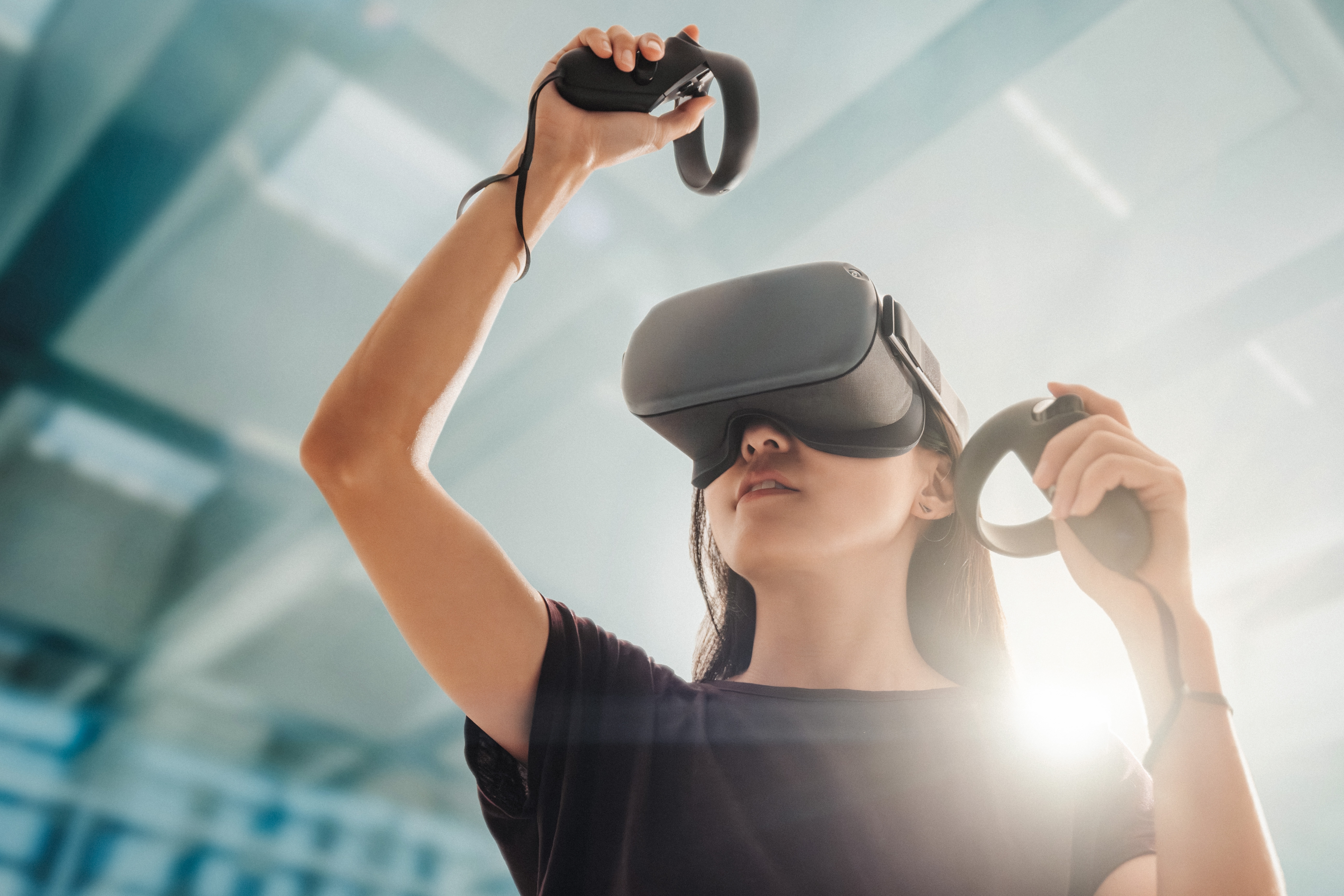
Professional free-roam VR facilities typically set a minimum age requirement of 10 to 13 years old. This range accounts for both the physical dimensions of the hardware and the ability of the player to follow safety instructions reliably. A high-quality facility will often pair age requirements with specific height recommendations, usually around 130cm. This ensures the headset fits securely on the head and does not cause neck strain during the session. If you are booking for younger players, check with your local venue about their specific policies. Some venues offer family-focused content that is paced specifically for younger age groups.
Is VR safe for kids?
When supervised correctly, virtual reality is a safe and engaging activity for children. A professional venue provides a controlled space that eliminates the risk of tripping or bumping into physical obstacles. Unlike home setups where you must clear a room yourself, professional facilities use strictly monitored boundaries. Staff members act as dedicated guides throughout the session. This prevents the frustration that can arise from technical glitches or disorientation. As long as children are physically capable of carrying the equipment and follow the instructions provided by the staff, they can enjoy the immersive worlds without issue.
What is the truth about VR health and safety?
Virtual reality is a mature technology designed with clear health and safety parameters. The most common concern for new players is motion sensitivity, which stems from a mismatch between visual input and physical movement. Free-roam technology minimizes this by tracking your natural movement in a large, open area. Because you walk on your own feet, your brain receives the correct signals for balance. Facilities also maintain strict hygiene standards by cleaning equipment between every session. This commitment to sanitation and high-refresh-rate hardware ensures that the focus remains on the experience rather than physical discomfort.
Are VR headsets safe for my eyes?
Research shows that virtual reality headsets do not cause permanent damage to vision or other senses. You may experience eye strain or fatigue, which is common with any digital screen. This happens because players tend to blink less frequently when focused on a virtual environment. To keep your vision sharp and your comfort high, take a moment to blink regularly during your session. Modern headsets are designed with high-quality lenses that accommodate most prescription frames. If you wear glasses, the key is to ensure the headset is positioned correctly from the start. A professional staff member will help you adjust the straps and focal distance.
How do you improve your VR experience?
Your session begins with a mandatory safety briefing that covers everything you need to know. This is where you learn how to put on the hardware, how to interact with the environment, and what to do if you feel overwhelmed. The goal is to make the technology feel intuitive. You will learn about the physical boundaries of the play area and how to use the controllers effectively. If you have any concerns regarding health or motion sensitivity, this is the perfect time to speak with the lead facilitator. They can provide specific tips to ensure your time in the world is smooth and enjoyable.
Why are guided VR experiences better than home setups?
Managed facilities provide a level of oversight that is impossible to achieve in a living room. When you visit a location in the Seattle Eastside, you skip the setup and troubleshooting. Expert facilitators manage the entire technical stack. This means you do not have to worry about calibration or software updates. You simply arrive and start playing. This structure removes the friction that often makes home VR feel like a chore. You spend your entire session focused on the activity instead of managing technical hurdles.
How can you manage group comfort during games?
Communication is the most effective tool for maintaining comfort during a session. Players should feel free to signal a break at any moment if they feel warm or disoriented. A professional facility will have cooling systems in place to keep the play space comfortable. If a member of your group feels overwhelmed, the facilitator can quickly pause the action to help them readjust or exit the play area. This responsive support system ensures that every participant remains comfortable throughout the duration of their game.
What is the benefit of a professional environment?
Safety is baked into the facility design. Unlike home spaces, which may contain furniture or pets, professional arenas are purpose-built to be completely obstacle-free. Facilities use advanced tracking sensors that account for your every move within the space. This precision eliminates the chance of running into walls. The staff-to-player ratio ensures that someone is always watching the session. This constant supervision provides a safety net that allows you to fully lose yourself in the experience.
Frequently Asked Questions
Can I stop the experience if I feel uncomfortable?
Yes. If you ever feel disoriented, you can alert your facilitator immediately. They will assist you in safely removing your equipment at any time.
Do I need to be physically fit?
No. The experiences are designed to be intuitive. Most players only need the ability to stand and walk naturally within a safe, guided space.
What if I have photosensitive epilepsy?
Please consult with your doctor before booking. Some experiences involve rapid visual changes that may not be suitable for those with known photosensitivity.
Are there height restrictions?
Yes. Most venues recommend a minimum height of 130cm to ensure the equipment sits correctly on the head, which prevents neck strain.
Do I need to bring my own equipment?
No. All headsets, sensors, and protective gear are provided by the facility. You only need to wear comfortable clothes and flat shoes.